In a small garden, every inch counts. A well-chosen fence can define boundaries, add privacy, and enhance the aesthetic appeal of your outdoor space without overwhelming it. Whether you’re looking to create a cozy nook, deter pets, or simply frame your flower beds, the right fence design can make a significant difference. This article explores over 30 small garden fence ideas, ranging from vertical gardens to living hedges, ensuring there’s a perfect option for every style and budget.
1. Space-Saving Vertical Fence Ideas
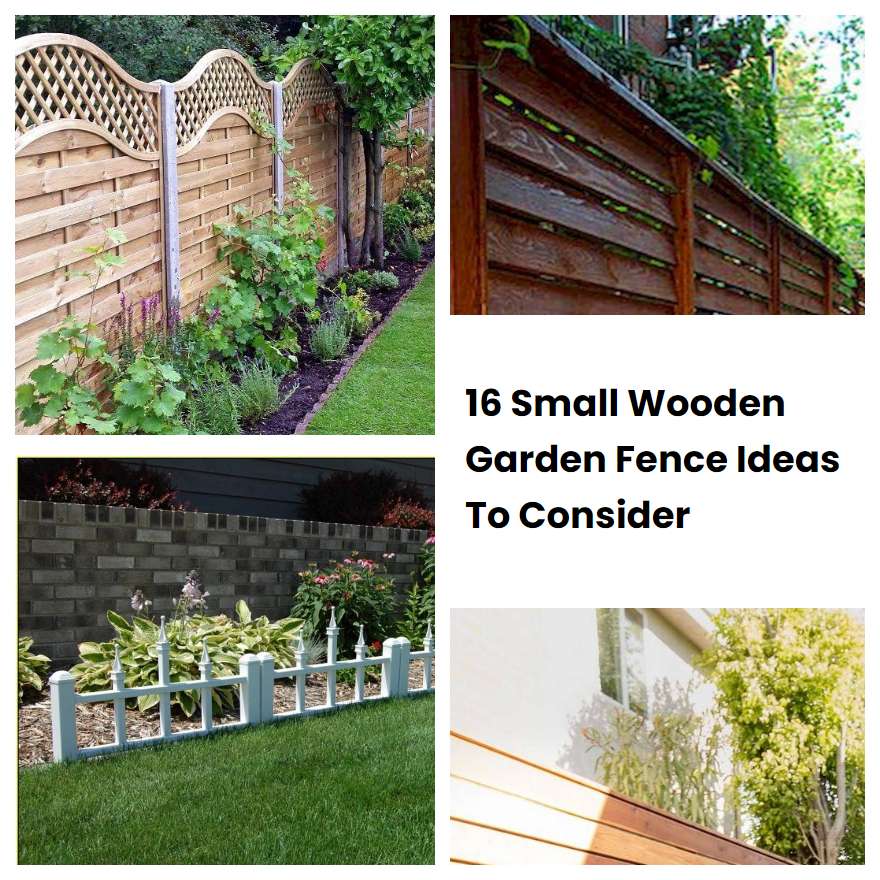
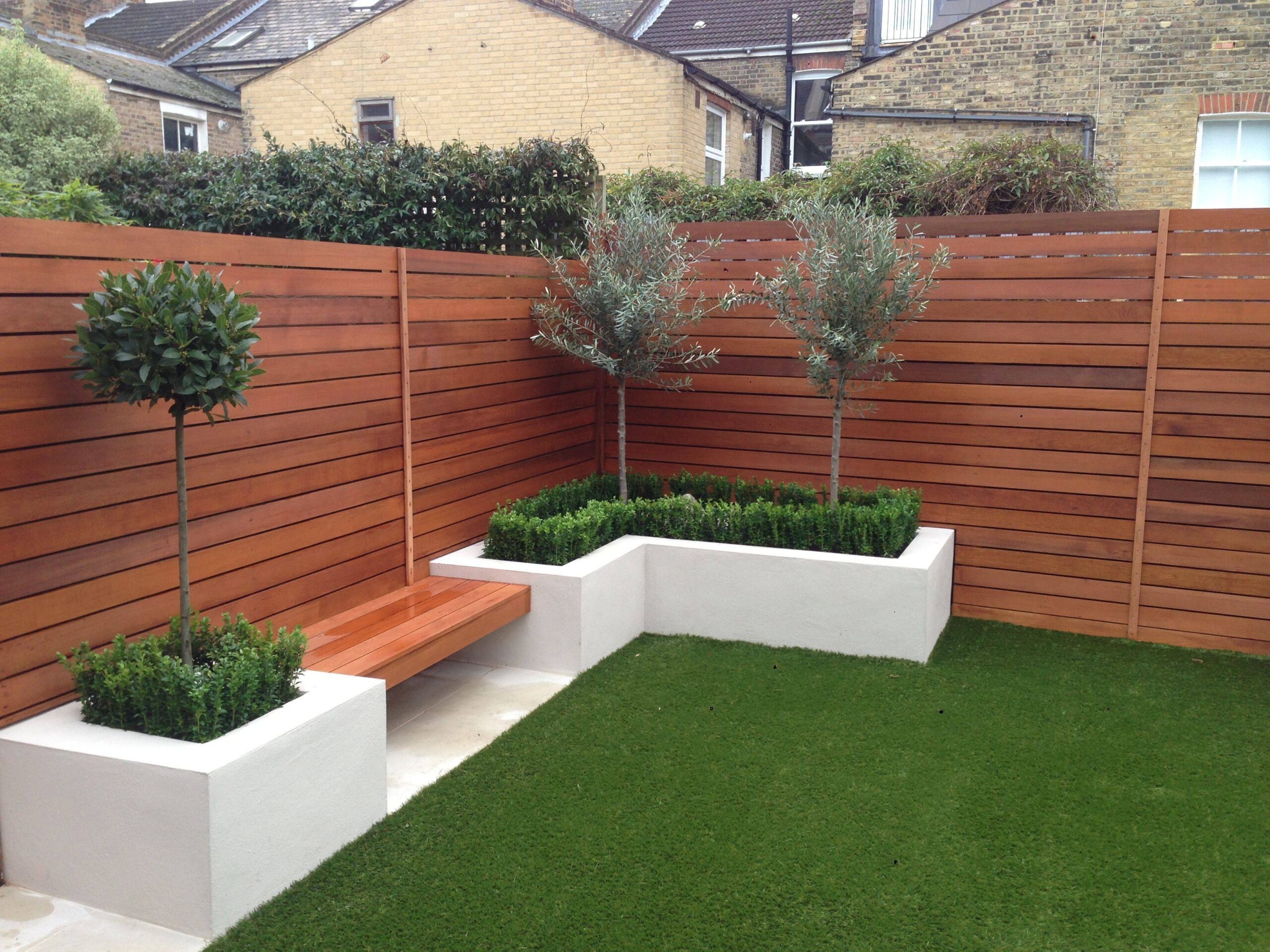
When ground space is limited, think upward. Vertical fences not only mark boundaries but also serve as functional elements. Consider a slatted wooden fence that allows light through while providing partial privacy. Alternatively, install a lattice fence and train climbing plants like ivy or jasmine to create a green wall. Another idea is to attach planters directly to the fence, turning it into a vertical garden. This approach maximizes your growing area and adds layers of texture and color.
2. Decorative Picket Fences for Small Yards
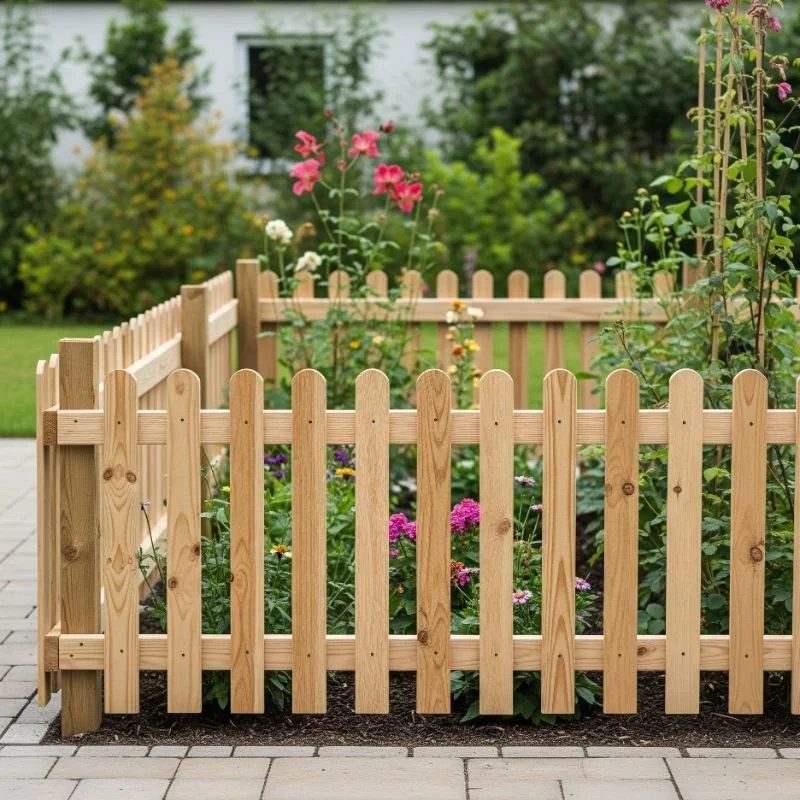
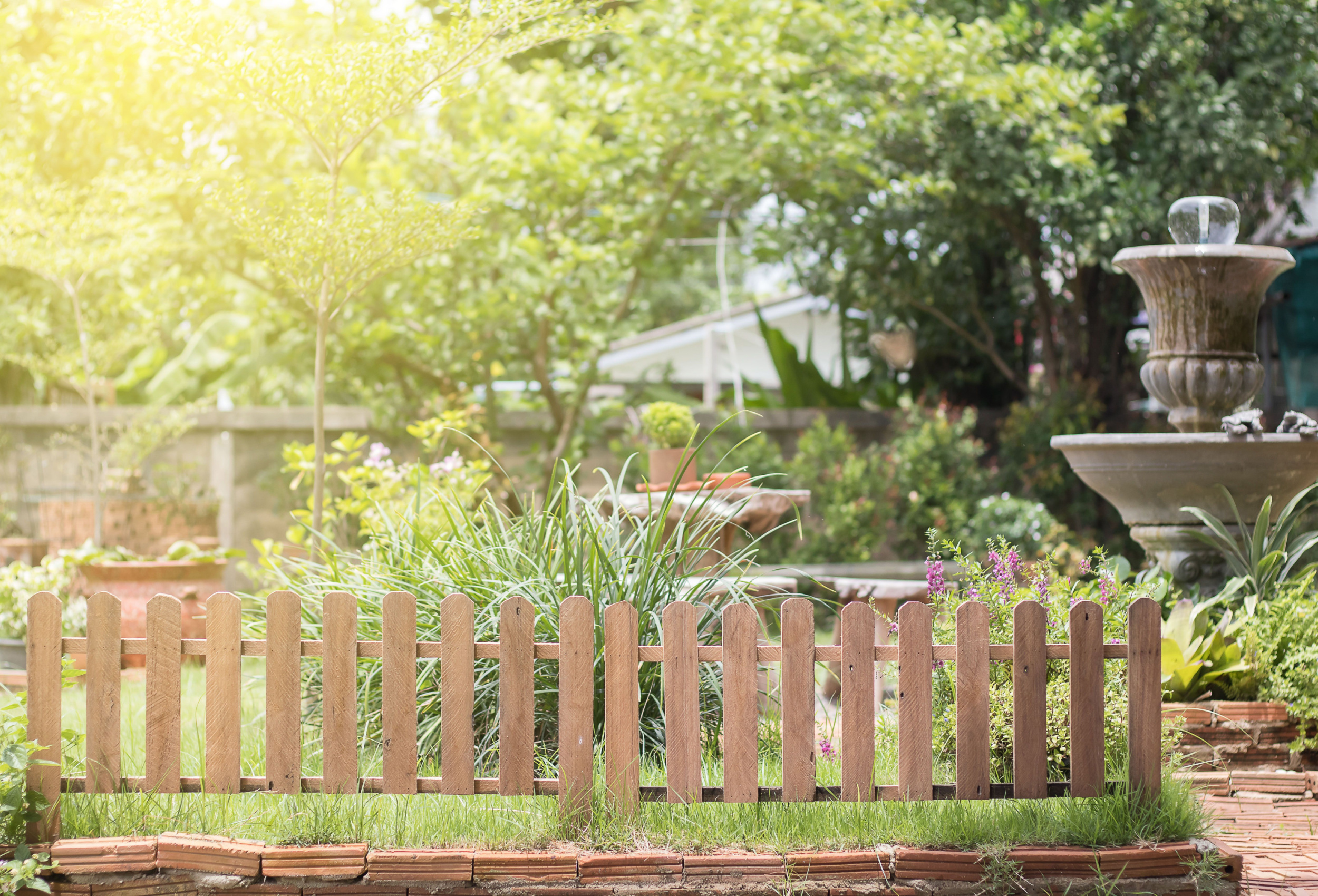
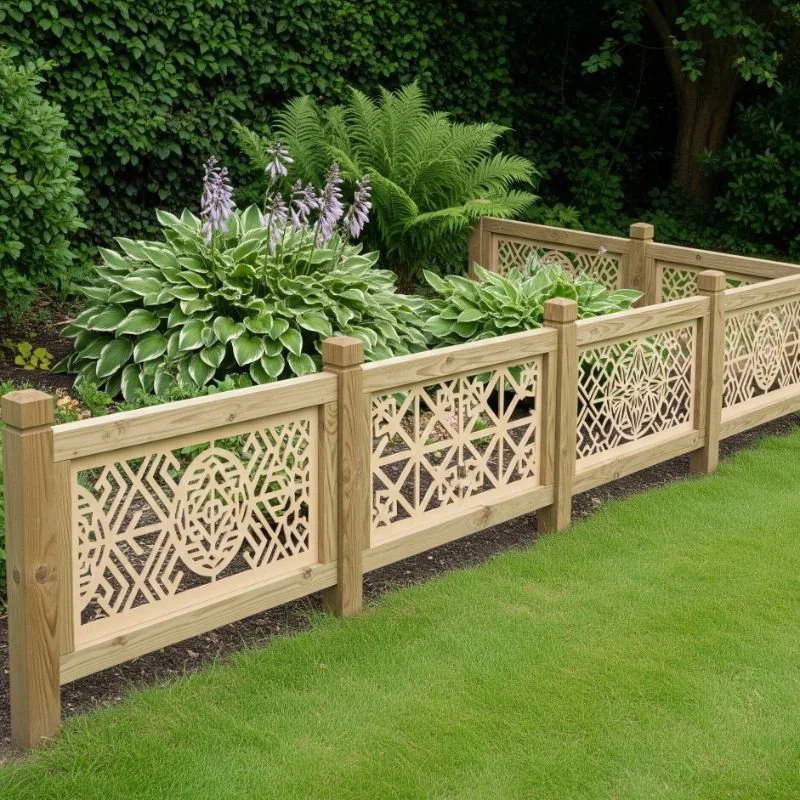
Picket fences are timeless and work wonderfully in petite gardens. Choose a low picket fence (around 2-3 feet) to border pathways or flower beds without blocking the view. White picket fences evoke a cottage garden feel, while natural wood or painted shades like sage green or navy can complement modern landscapes. For a twist, try a scalloped picket top or mix widths for a contemporary look. They’re also easy to DIY with pre-made panels.
3. Bamboo and Natural Screen Fences
Bamboo fences offer an eco-friendly, tropical vibe that works well in compact spaces. Rolled bamboo screens can be attached to existing posts or a simple frame, providing instant privacy. They’re lightweight, affordable, and blend seamlessly with plants. For a more rustic look, consider willow hurdles or branches woven together. These natural materials weather beautifully and create a soft, organic boundary that defines your garden without dominating it.
4. Metal and Wire Fence Designs
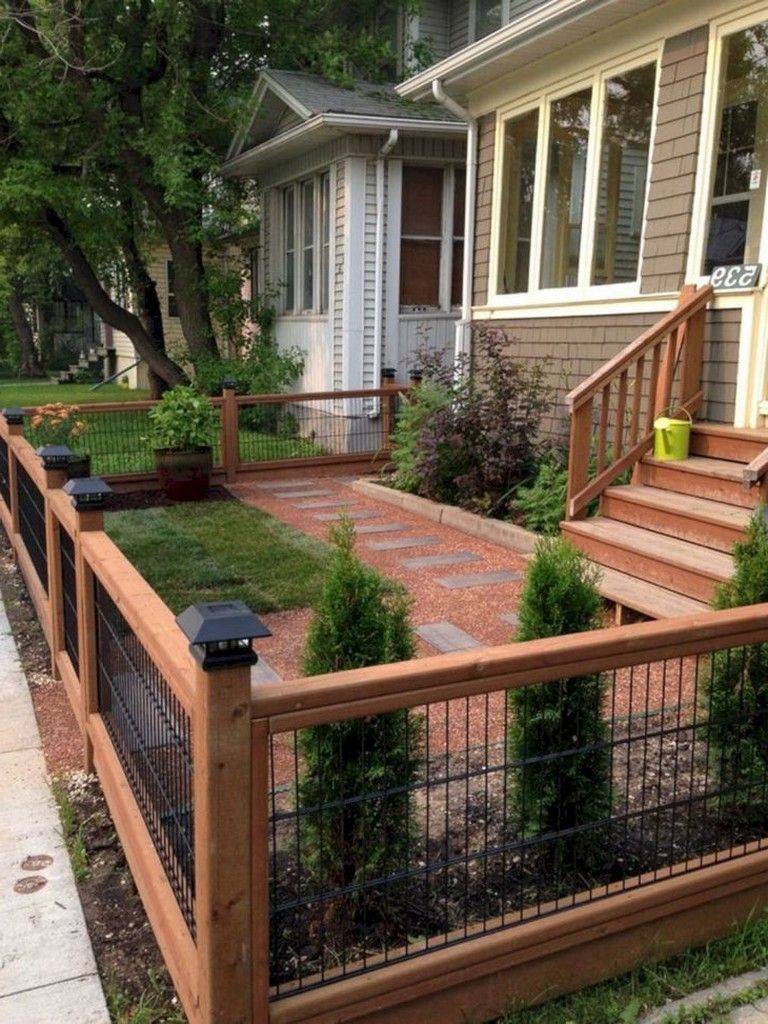
Metal fences, such as wrought iron or aluminum, are durable and elegant. In a small garden, choose a design with slender bars and decorative finials to maintain an open feel. Black metal fencing creates a classic contrast against greenery. Alternatively, wire mesh fences (like chicken wire or welded wire) are virtually invisible and perfect for supporting climbing plants. They let light and air pass through while keeping animals out. Pair them with wooden posts for a charming farmhouse look.
5. Living Fences with Plants and Hedges
A living fence uses shrubs or hedges as a natural barrier. For small gardens, dwarf varieties like boxwood, lavender, or Japanese holly are ideal. They can be clipped into formal shapes or left more casual. Another option is an espaliered fruit tree, which grows flat against a trellis, saving space while providing fruit and flowers. Living fences soften boundaries and improve biodiversity, but they require regular maintenance to stay tidy.
6. DIY Budget-Friendly Fence Projects
If you’re handy, there are many affordable DIY fence ideas. Reclaimed pallets can be disassembled and turned into rustic fence panels. Corrugated metal sheets adds an industrial touch. Another project is a rope fence using thick ropes and wooden posts for a nautical theme. For a temporary solution, use garden edging or low stone walls without mortar. These projects cost little and can be completed in a weekend, giving your garden a personalized touch.
7. Tips for Choosing the Right Fence Height and Style
In a small garden, fence height matters. Low fences (up to 3 feet) define spaces without blocking light or views, making the garden feel larger. Medium fences (3-5 feet) add privacy while still allowing air circulation. High fences (over 5 feet) can create a secluded retreat but may make the space feel cramped. Consider local regulations on fence height. Style-wise, match the fence to your home’s architecture and garden theme. Use colors that blend with the surroundings—dark hues recede, while light colors open up the space.
Frequently Asked Questions
What is the best fence for a very small garden?
The best fence is one that serves your primary need—privacy, decoration, or boundary. Lattice fences with climbers, low picket fences, or bamboo screens are excellent choices. They offer visual interest without overwhelming the space.
How tall should a fence be for a small garden?
It depends on your goal. For marking boundaries or supporting plants, 2-3 feet is sufficient. For privacy, 4-5 feet can work without making the garden feel closed in. Always check local codes first.
Can I use a fence to make my small garden look bigger?
Yes. Light-colored fences, horizontal slats, or mirrors on a fence can create an illusion of depth. Also, fences that let light through, like picket or lattice, prevent the garden from feeling boxed in.
What is the cheapest small garden fence option?
DIY options like pallet wood fences, bamboo rolls, or wire mesh with secondhand posts are very affordable. You can also use upcycled materials like old doors or corrugated metal sheets.
Choosing the right fence for your small garden is about balancing function and aesthetics. Whether you opt for a classic picket, a living hedge, or a modern metal design, the key is to enhance your space without crowding it. With these ideas, you can create a beautiful, defined garden that feels larger and more inviting. Start planning your fence project today and transform your petite outdoor area into a beloved retreat.