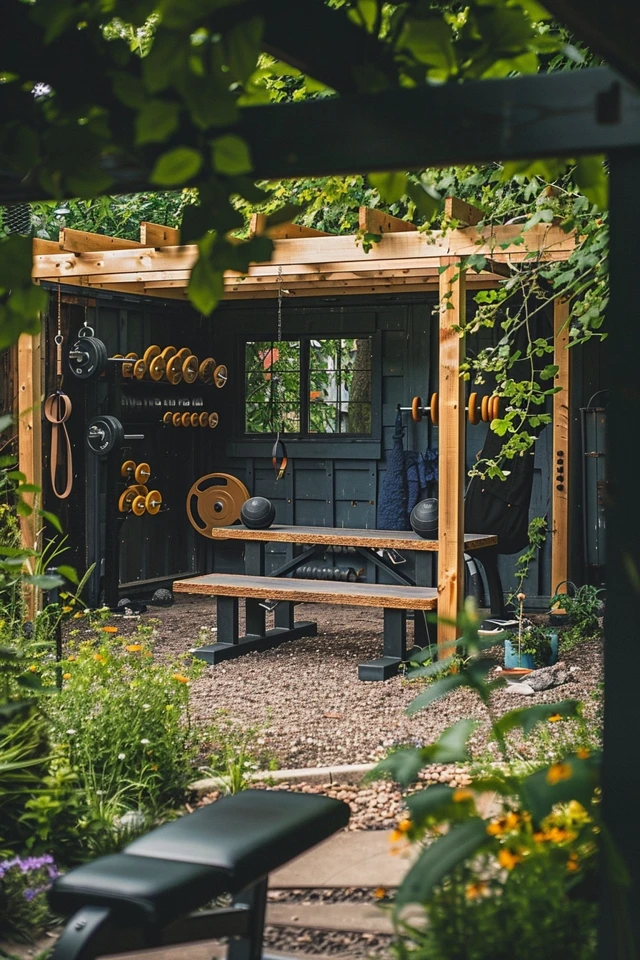
Imagine stepping outside into the fresh air, feeling the sun on your skin, and getting an incredible workout—all without leaving your property. An outdoor gym can turn that vision into reality, offering a convenient and invigorating alternative to crowded indoor fitness centers. Whether you have a sprawling lawn or a compact patio, there are endless outdoor gym ideas to suit your space, budget, and fitness goals. In this guide, we’ll explore creative ways to design and equip your own backyard fitness haven, helping you stay motivated and healthy while enjoying the great outdoors.
Why Build an Outdoor Gym?
Building an outdoor gym offers numerous benefits that go beyond simple exercise. First, it saves you time and money by eliminating gym memberships and commutes. You can workout whenever you want, without waiting for equipment or dealing with peak-hour crowds. Exercising outdoors also boosts mental health—exposure to sunlight and fresh air enhances mood, reduces stress, and increases vitamin D levels. Additionally, outdoor workouts often feel less like a chore and more like a recreational activity. You can customize your space to include your favorite exercises, from strength training to yoga, making fitness a natural part of your daily routine.
Essential Equipment for Your Outdoor Gym
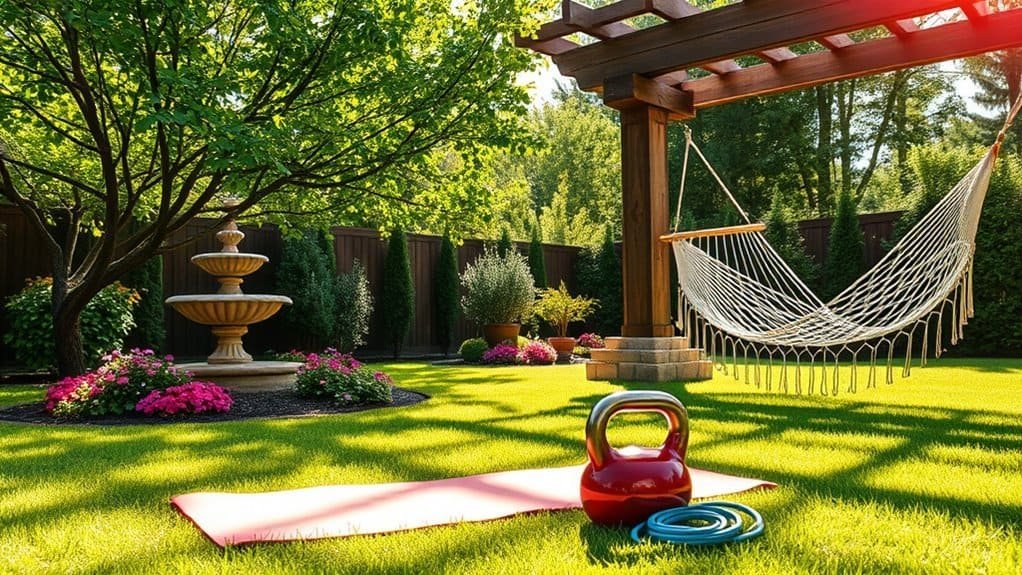
When planning your outdoor gym, start with versatile, durable equipment that can withstand the elements. Here are some must-have items:
- Power Rack or Squat Stand: A sturdy rack allows for squats, bench press, pull-ups, and more. Look for weather-resistant materials like stainless steel or powder-coated steel.
- Olympic Barbell and Weights: Invest in a good barbell and bumper plates. Store them in a waterproof chest or under a tarp when not in use.
- Adjustable Bench: A flat-to-incline bench opens up hundreds of exercises. Choose one with a corrosion-resistant frame and removable cover.
- Kettlebells and Dumbbells: Cast iron or rubber-coated options are ideal for outdoor use. They’re perfect for swings, presses, and dynamic moves.
- Resistance Bands: Lightweight and portable, bands add variable resistance and are great for warm-ups or travel workouts.
- Yoga Mat: A thick, non-slip mat makes stretching, core work, and yoga comfortable on grass or concrete.
- Jump Rope: An inexpensive tool for cardio and coordination.
Remember to choose equipment made from materials that resist rust, UV damage, and moisture. Proper storage solutions, like weatherproof cabinets or sheds, will prolong their life.
Space-Saving and Budget-Friendly Ideas
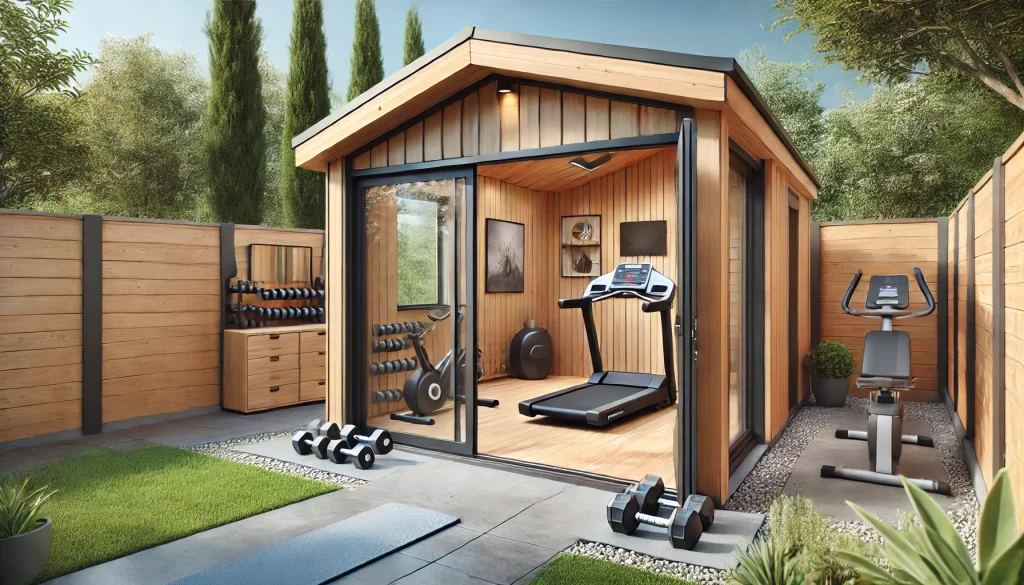
Not everyone has a large backyard or thousands of dollars to spend. Fortunately, creative outdoor gym ideas can work for any size and budget. For small spaces, consider a foldable squat rack that mounts to a wall or a portable climbing frame that doubles as a pull-up bar. A simple set of adjustable dumbbells and a medicine ball can provide a full-body workout in a 6×6 foot area. Use parking lot or patio tiles to create a dedicated workout zone; they’re affordable and easy to install.
If you’re on a tight budget, start with bodyweight equipment: a pull-up bar (installed on a tree or wall), a dip station (made from sturdy lumber), and a set of gymnastic rings. Upcycled materials like old tires, sandbags, and wooden crates can replace price gear. For example, a tire flipped upside down becomes a step-up platform, and a sandbag can be used for carries and squats. Also check local classifieds for used equipment—barbells and benches often appear at steep discounts.
Bodyweight and Calisthenics Stations
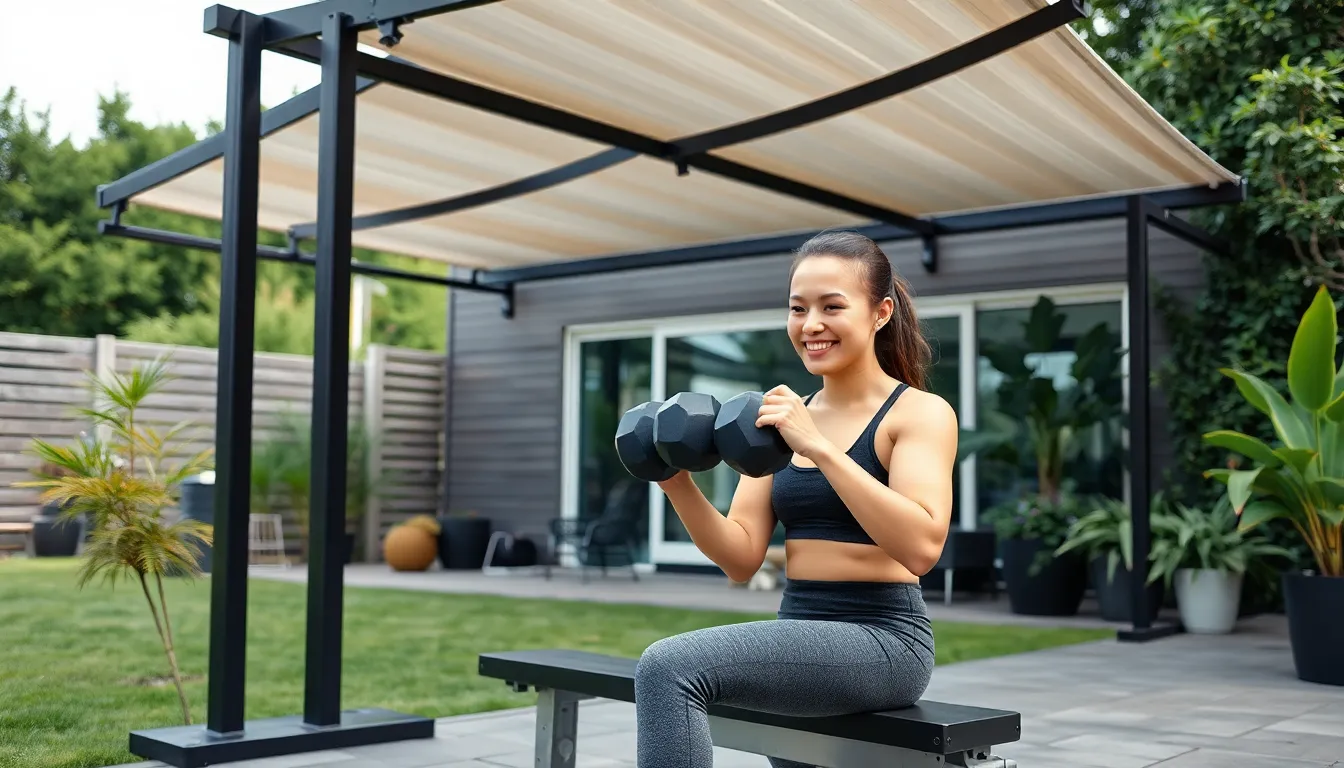
Calisthenics—exercises using your own body weight—are perfectly suited for outdoor gyms. They require minimal equipment and build functional strength. Create a bodyweight circuit with stations spaced around your yard:
- Pull-Up Bar: Mount on a tree, between posts, or use a standalone frame. Perform pull-ups, chin-ups, and hanging leg raises.
- Dip Station: Parallel bars for chest and triceps dips. Build them from PVC pipe or metal.
- Push-Up Platforms: Use two low blocks or handles for push-ups with a deeper range of motion.
- Jump Box: A sturdy plyometric box for box jumps, step-ups, and depth jumps.
- Slackline or Balance Beam: Improve core stability and balance.
- Monkey Bars: If you have space, a small monkey bar set adds fun and grip strength work.
Arrange stations in a loop for a high-intensity circuit training session. Add a timer or use a whiteboard to track reps. This setup is not only effective but also family-friendly—kids will love playing on the equipment too!
Weatherproofing and Maintenance Tips
To keep your outdoor gym in top shape year-round, plan for weather protection. Choose all-weather materials like powder-coated steel, marine-grade aluminum, or high-density polyethylene. Cover equipment with waterproof tarps or invest in a small shed for storage. For flooring, rubber mats or interlocking foam tiles can handle rain and provide cushioning; avoid carpet or wood that rots. If you live in a snowy area, consider a retractable awning or a simple roof structure over your main lifting area. Additionally, regular maintenance is key: wipe down equipment after use, lubricate moving parts, and apply rust inhibitor to metal surfaces. Check bolts and connections monthly to ensure safety.
Enhancing Your Outdoor Gym Experience
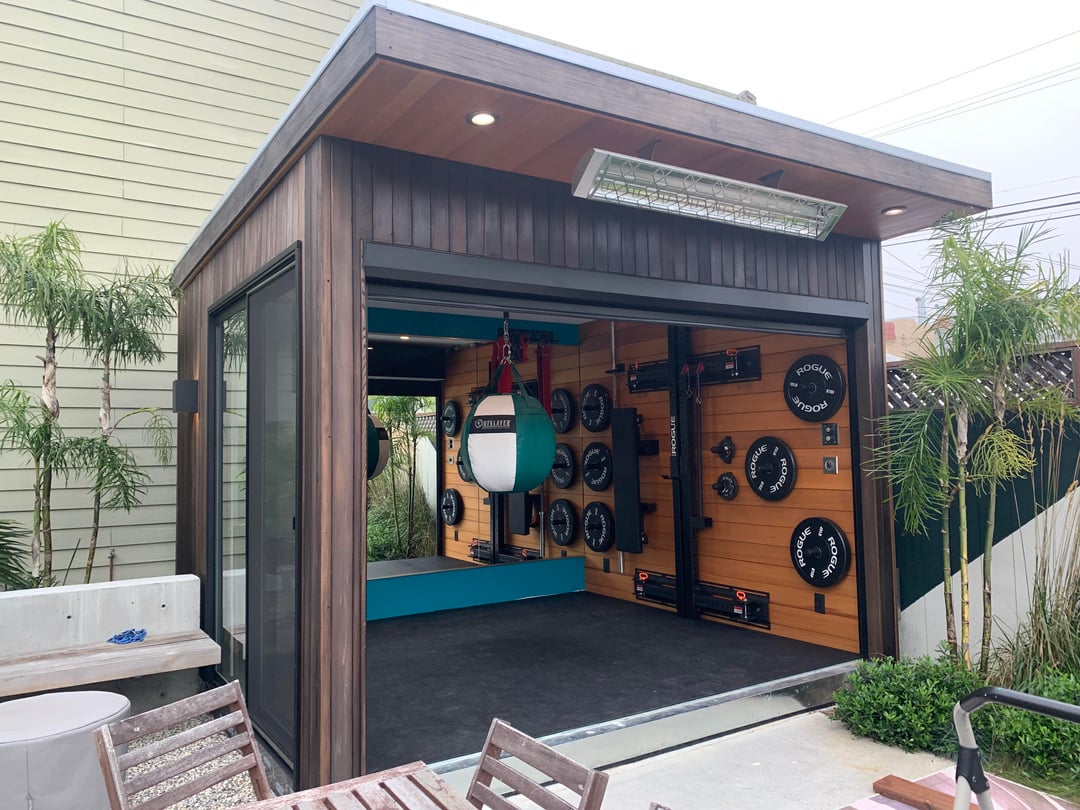
Make your outdoor gym a place you look forward to visiting. Add ambiance with string lights, solar lanterns, or a Bluetooth speaker for music. Plant ornamental grasses or install a privacy screen to isolate your workout area. Incorporate shade with a pergola, umbrella, or shade sail—this is crucial for hot days and prevents equipment overheating. A water station with a cooler or fountain keeps you hydrated. For cold months, a portable heater or fire pit can extend your training season. Finally, add a mirror (mounted on a fence or wall) to check form, and a whiteboard to log workouts and set goals. These small touches transform a basic setup into a luxurious personal gym.
Frequently Asked Questions
What is the best surface for an outdoor gym?
Rubber mats (like stall mats from farm supply stores) are durable, weather-resistant, and provide good grip. Interlocking foam tiles are lighter but less durable. For a budget option, use grass if you keep it short and level, but avoid soft ground for heavy lifting.
How much does it cost to build an outdoor gym?
Costs vary widely. A basic bodyweight setup can be under $200 (pull-up bar, rings, jump rope). A mid-range gym with a rack, barbell, weights, and bench might run $1,000–$2,000. High-end setups with weatherproof enclosures and specialized gear can exceed $5,000.
Can I leave equipment outside year-round?
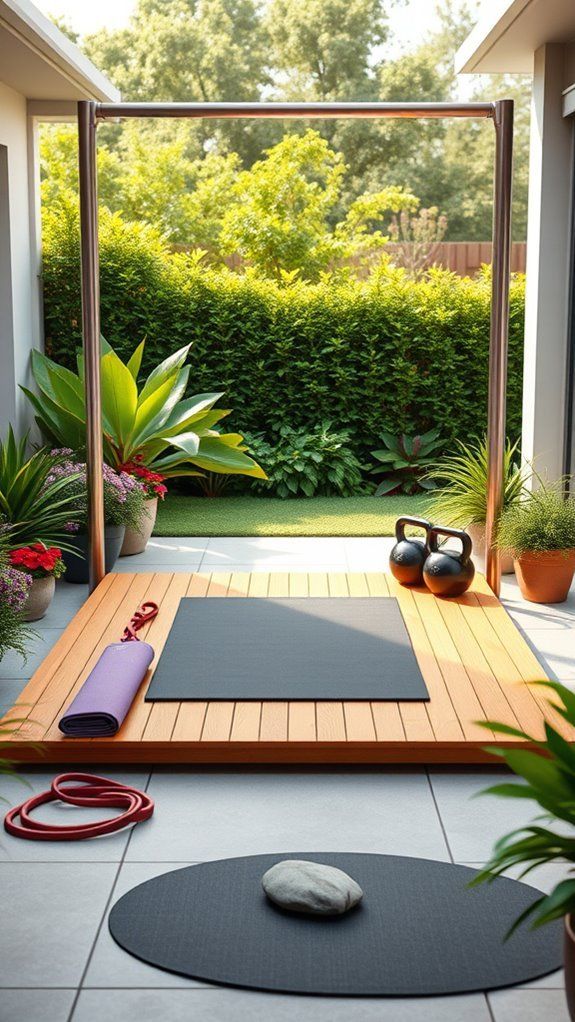
Only if it’s specifically designed for outdoor use (e.g., stainless steel, UV-resistant coatings). Otherwise, store sensitive items like barbells, plates, and benches in a waterproof shed or under heavy-duty covers. Dismantle and store electronics and mats when not in use.
How do I secure my outdoor gym from theft?
Lock up valuable items in a shed or use cable locks. Anchor larger equipment like racks to a concrete base or heavy pavers. Install motion sensor lights and a security camera if the gym is visible from the street. For extra peace of mind, engrave your name on gear.
Is it safe to exercise outdoors in extreme heat or cold?
Yes, with precautions. In heat: workout early morning or evening, stay hydrated, wear breathable clothing, and use shade. In cold: layer clothing, wear gloves, warm up indoors, and avoid wet surfaces. Listen to your body and adjust intensity as needed.
Transforming your backyard into an outdoor gym is an investment in your health and happiness. By combining durable equipment, smart design, and a touch of personal flair, you can create a motivating environment that makes fitness feel effortless. Start small, then expand as you discover what works best for your space and routine. Whether you prefer lifting heavy, flowing through yoga, or sprinting on grass, your outdoor gym will become your favorite place to train. So step outside, breathe deep, and begin building the body—and the space—you’ve always wanted.